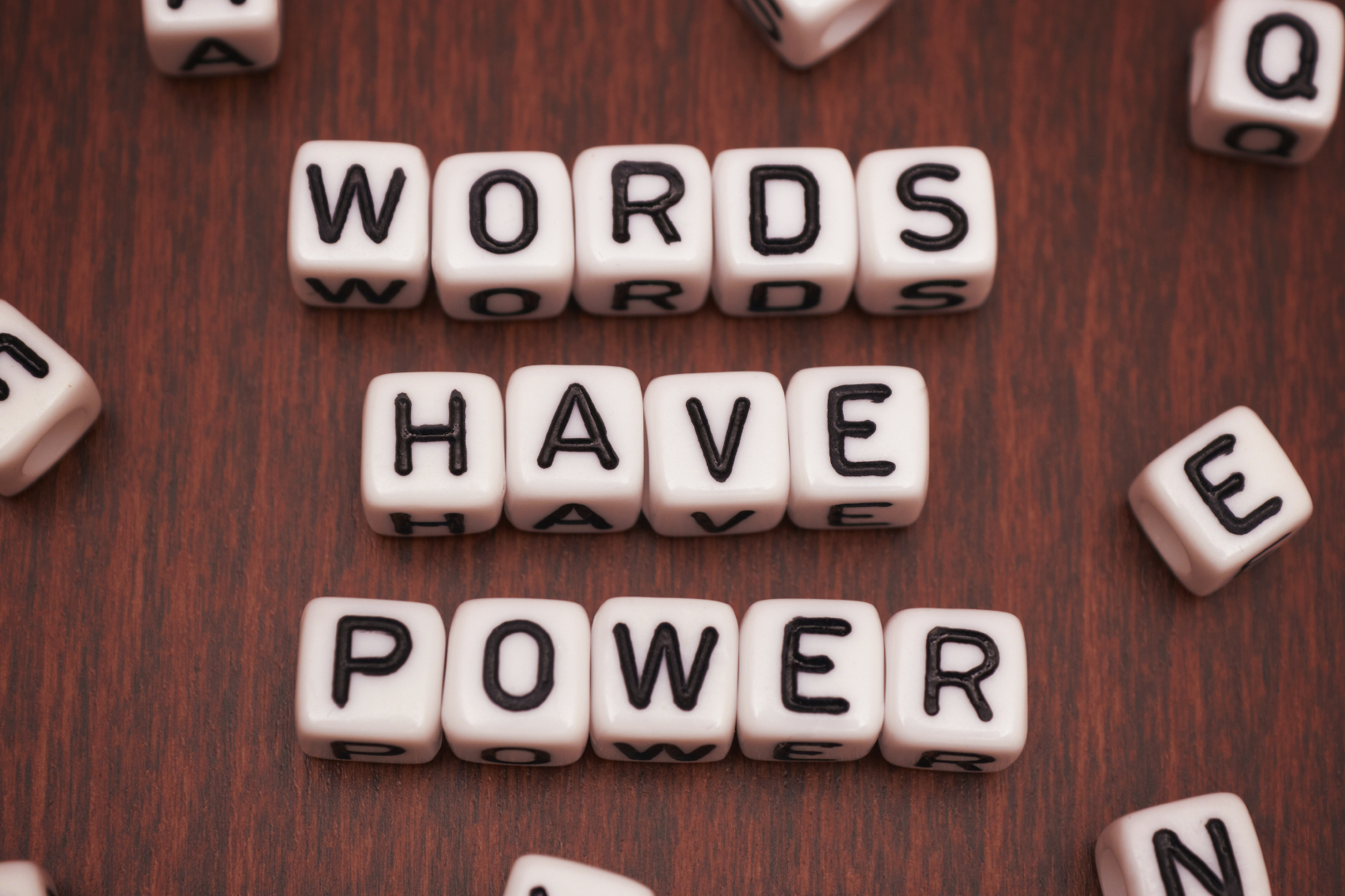
The Creative Power of Words
Words do more than communicate information. They express our beliefs, shape conversations and influence the way we interpret our experiences. The language we use with ourselves and others can either encourage progress or make it harder to move forward.
Notice your inner dialogue
Pay attention to the way you describe yourself, especially when something goes wrong. Statements such as “I always fail” turn one difficult experience into a judgment about your identity. A more useful response might be, “This did not work as I hoped. What can I learn from it?”
Constructive self-talk is not pretending that everything is easy or positive. It means being honest without being unnecessarily harsh, and recognising that a mistake is an event—not your entire identity.
Choose what you take in
The conversations, books, media and ideas you spend time with can influence your outlook. Be thoughtful about what you consume. Seek information that challenges you respectfully, broadens your perspective and supports the person you want to become.
Speak with intention
Before you speak, consider whether your words are accurate, respectful and helpful. Encouragement does not require empty praise; it can be as simple as recognising effort, offering clear feedback or acknowledging someone’s perspective.
A simple practice
For the next few days, notice one recurring negative statement you make about yourself. Rewrite it as a balanced, actionable sentence. For example: “I am not good at this” can become “I am still learning, and I can improve with practice.”
Your words do not control every outcome, but they can influence your choices and relationships. Use them with care—and make them a source of clarity, respect and possibility.


Leave a Reply